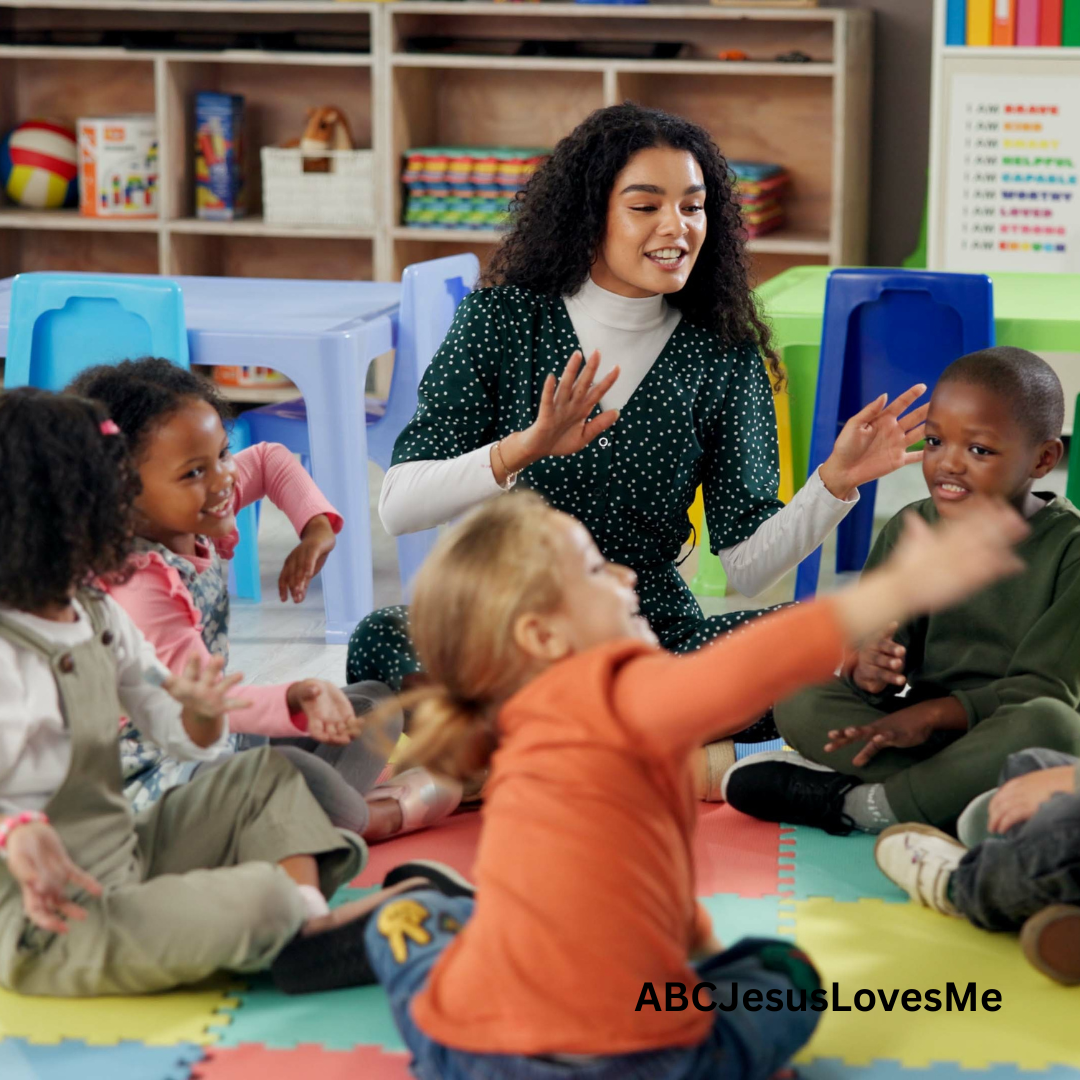
Children singing action song and poems.

Preschool Action Song and Poems

Sing, move, and learn with these fun preschool action songs and poems! Each video helps you learn the words and motions to encourage young children to listen, participate, and build language, memory, coordination, and other early learning skills. You’ll also find practical teaching tips to help you make the most of these songs and poems with young children.
Preschool Action Song and Poems List

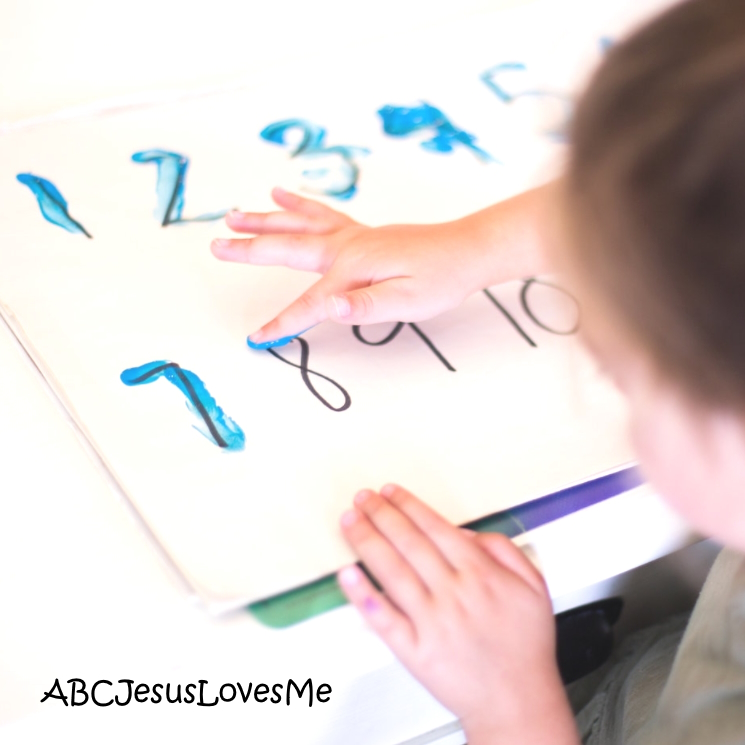
A child tracing numbers with fingerpaint.

Help a Child Excel in Learning! 💡

Watch a child confidently learn through engaging, hands-on activities in the ABCJesusLovesMe Preschool Curriculum. With a focus on both academics and biblical values, this program nurtures development in every area, all while making learning fun. Click to discover how we can support a child's educational journey!

Take a Look

Tips for Teaching Action Songs and Poems

  • Teach the Words Before the Music
    Before teaching the tune, teach the words.

  • Teach the Motions Alongside the Words
    As you introduce the words, provide the motions to the key words. This gives meaning to words they may not understand, which is especially helpful for English learning speakers.

  • Start Slower Than You Think You Need To
    Young children need time to hear the words, process the meaning, and coordinate their movements. Gradually increase the speed as they become familiar with the song or poem. When the pace is too fast, children often stop participating.

  • Repeat, Repeat, Repeat
    Children learn through repetition. Familiarity builds confidence and learning. For variety, repeat using different voices. For example, sing very quietly, then try a robot voice.

  • Mirror All Actions
    Children will mirror your movements. To help them lift their right hand, lift your left hand. When possible, move from left to right to help children become familiar with the direction of reading.

  • Pause
    Stop just before a familiar or rhyming word or movement and let the child fill in the missing part. This encourages listening, memory, phonological awareness, and participation.

  • Change Your Volume
    Try whispering, speaking louder, or using a quiet voice when appropriate to help children notice words and sounds. 

  • Everyone Can Participate
    A child who uses a wheelchair might clap, point, or move a finger. 

  • Connect the Words to Real Objects
    When possible, hold up a picture, toy, or familiar classroom object when it fits the poem. Concrete examples help children connect words with meaning.

  • Sing Acapella
    Ms. Heidi’s videos can help you get started, but transition to singing without a recording as soon as possible. Singing a cappella helps children focus on language, rhythm, and coordination while giving you more control over pitch, speed, and volume.

  • End Before Attention Fades
    Stop while children are still interested rather than repeating the activity until they lose focus. You can always return to it later. I typically repeat a song or poem no more than twice in the same way, with a maximum of four repetitions in one sitting.

  • Let Children Lead with You
    Once children know a song or poem, invite them to help lead it.

Discover More Ideas

This page may contain affiliate links. Please read our disclosure policy.