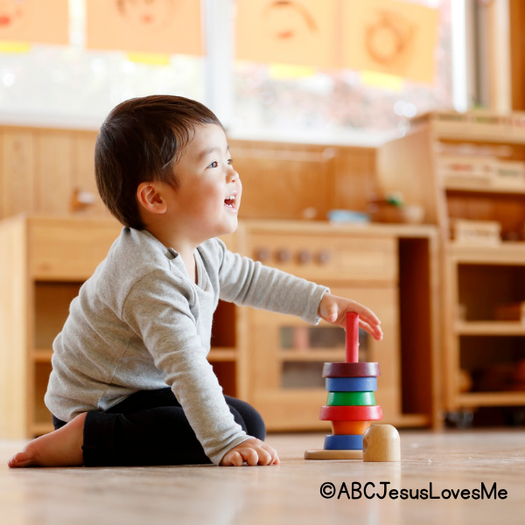
Including children with disabilities in a preschool setting is an essential part of creating a welcoming, respectful, and inclusive learning environment. Every child deserves the opportunity to learn, play, and grow alongside their peers. Discover tips for creating an inclusive classroom below.
Inclusive classrooms give children with disabilities opportunities to develop social, emotional, and cognitive skills while helping all children learn the value of empathy, acceptance, and diversity. Keep in mind that some disabilities are easily recognized, while others may not be immediately apparent and may become more noticeable as you get to know the child.
To help children with disabilities be successful in preschool, teachers should focus on understanding each child’s individual strengths and needs. Collaborating with families, therapists, and specialists can provide valuable insight and strategies to support learning and development. Using individualized supports such as visual schedules, adaptive materials, or modified activities allows children to participate fully in classroom routines. Clear expectations, consistent routines, and positive reinforcement also help children feel secure and confident.
Here are practical tips for creating an inclusive preschool classroom that supports children with disabilities and helps all children succeed:
1. Use clear visual supports
2. Design the physical layout of your classroom intentionally.
3. Adapt materials and activities
4, Support communication
5. Build predictable routines
6. Promote positive behavior
7. Encourage peer support
8. Collaborate and reflect