 image by christina
Social-emotional development is an important part of helping a child build relationships, understand feelings, and develop a positive sense of self. Between 24 and 35 months, children are becoming more independent while still needing the security and guidance of trusted adults.
This is a season of big feelings, growing friendships, and learning how to interact with others. Children are beginning to use more words to express emotions, recognize feelings in others, make choices, and take pride in doing things independently.
The goal is not to expect a 2-year-old to manage emotions or navigate friendships independently. Instead, provide consistent guidance, encouragement, and opportunities to practice these developing skills through everyday play and interactions.
Two-year-olds are becoming more interested in other children and beginning to move beyond simply playing alongside them. They may seek out familiar classmates, participate in simple social games, and begin developing friendships. Although sharing and taking turns can still be difficult, these experiences provide valuable opportunities to practice interacting with others.
Ways to Encourage Relationship Development
- Play Together: Spend time playing simple games such as rolling a ball, building a tower, or completing a puzzle together. Model taking turns and interacting during play.
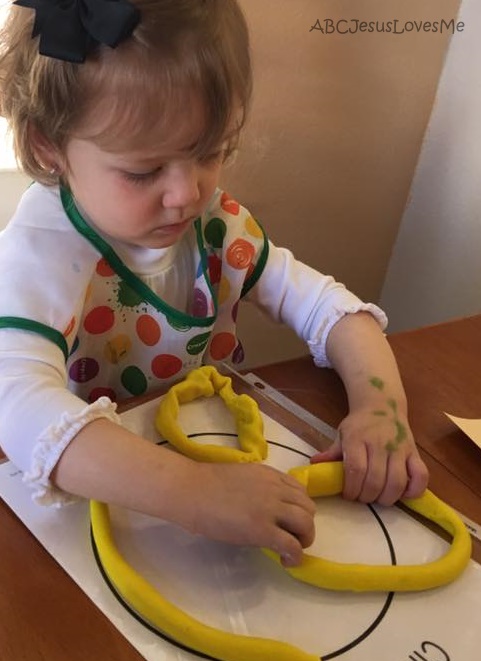
- Encourage Peer Play: Provide opportunities for children to play near and with other children. Offer simple activities that encourage interaction, such as building with blocks, playing with play dough, or pretending to cook.
- Practice Taking Turns: Use a ball, toy, or simple game to demonstrate taking turns. Use phrases such as "My turn" and "Your turn."
- Build Friendships: Talk about familiar classmates by name. Encourage children to notice and participate in activities with one another.
- Prepare for New Experiences: Introduce unfamiliar people and situations gradually. Stay nearby and provide reassurance when a child feels uncertain.
- Play Social Games: Enjoy simple games such as peek-a-boo, Ring Around the Rosie, and follow-the-leader.
Two-year-olds are beginning to communicate a wider range of emotions using words, gestures, and pretend play. They are also learning to recognize feelings in others through facial expressions and words. Although they may begin using familiar strategies or objects to calm themselves, they still need adults to help them work through big feelings.
Ways to Encourage Emotional Development
- Name Feelings: Talk about emotions throughout the day. Use simple phrases such as "You look happy," "You are frustrated," or "You seem sad."
- Talk About Facial Expressions: Look at pictures, books, or a mirror together. Identify happy, sad, angry, and surprised faces.
- Model Emotional Language: Talk about your own feelings using simple words. For example, "I am happy we are playing together."
- Provide Comfort: Allow children to use a familiar stuffed animal, blanket, or trusted adult for comfort when upset.
- Practice Helping Others: When someone is hurt or sad, talk about what happened and demonstrate simple ways to help, such as bringing a tissue or offering a hug.
- Use Pretend Play: Play with dolls, stuffed animals, or puppets to act out simple situations involving feelings. Talk about how the characters might feel.
- Read Books About Feelings: Choose books that introduce different emotions and provide opportunities to talk about how the characters feel.
Two-year-olds are developing a stronger understanding of who they are. They are beginning to use personal pronouns, recognize their own physical characteristics, communicate likes and dislikes, and understand that certain belongings are theirs. Their desire for independence is growing, and they want to try everyday tasks on their own.
Ways to Encourage Self-Awareness and Independence
- Use Personal Pronouns: Model words such as "I," "me," and "mine" during everyday conversations.
- Identify Body Parts: Name body parts during songs, books, dressing, and play. Practice identifying body parts on themselves, a doll, or a stuffed animal.
- Talk About Similarities and Differences: Notice simple physical characteristics, such as hair color, eye color, or height. Talk about how people can look alike and different.
- Offer Choices: Provide two simple options, such as choosing between two books, snacks, or activities. Encourage children to communicate their preferences.
- Encourage Independence: Allow children time to attempt simple tasks before stepping in to help. Encourage them to put toys away, carry their belongings, or help with simple classroom routines.
- Practice Self-Care: Encourage participation in washing hands, putting on shoes, removing clothing, and other age-appropriate self-care activities.
- Recognize Personal Belongings: Help children identify their own cups, shoes, backpacks, and other belongings.
Social-emotional development happens throughout the day, not just during planned activities. Mealtimes, playtime, transitions, reading, and interactions with others all provide opportunities to help children grow.
The goal is not to add another lesson to an already busy day. It is to recognize the opportunities already present and use them intentionally.
Remember: You are doing more than teaching children academics. You are helping two-year-olds build relationships, begin understanding their emotions, discover who they are, and develop confidence in their growing independence.