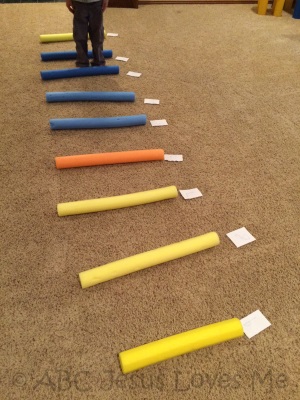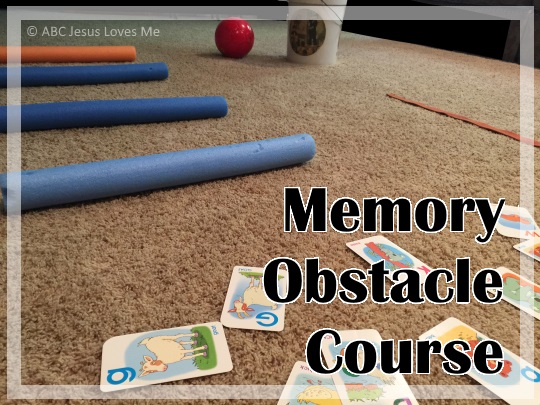
One of the gross motor activities in the ABCJesusLovesMe curriculum is the "Memory Obstacle Course," a fun twist we picked up from Occupational Therapy. Our children loved it so much that they often requested it when they were young, not realizing they were exercising and learning at the same time! A bonus is that it can be done indoors on a rainy day and works well for multiple children.
1. Set Up the Course
Create an obstacle course that begins and ends in the same place. Include a variety of movements (jumping, crawling, balancing, etc.). Adjust the difficulty based on the child’s ability.
2. Add the Memory Challenge
Place a simple activity within the course using flashcards, magnetic letters, or puzzle pieces. Keep the “collection item” at the start and the matching pieces in the middle or end (e.g., puzzle base at the start, pieces in the middle).
3. Teach Expectations Clearly
Walk through the course step by step with the child. Be specific about how each movement should be done. Set clear boundaries and require the child to restart if directions are not followed correctly.
4. Introduce the Memory Task
Tell the child which item to collect during the course. Have the child repeat the item before starting and explain that reminders will not be given during the activity.
5. Increase the Challenge
As the child improves, add more items to remember or combine details (e.g., color and shape). You can also add music or a timer to build focus and make the activity more engaging.
Visual perception is the foundation for academic success, helping the child's brain and eyes properly communicate. With over 100 pages of fun, engaging activities, our Visual Perception Curriculum offers everything you need to develop these critical skills preparing the child for reading and writing.
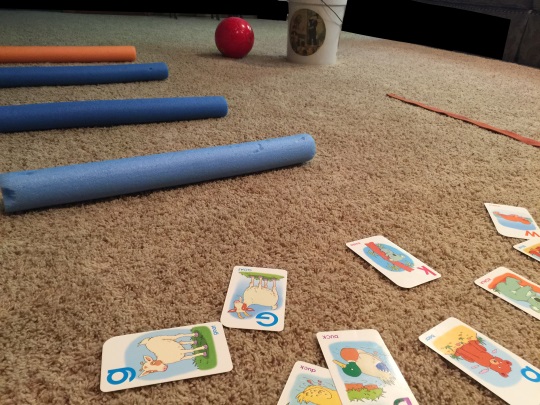
Adult: For this obstacle course, you are going to hop over the pool noodles keeping both feet together. Then carefully dribble the soccer ball around the bucket. The tightrope on the orange line placing your feet together. You will step four times. How many times? (Four) Here are the flashcards that you will need to bring back to the start. You will need to remember which one to bring back. I will not help you, so really pay attention! Then you can place the flashcards in the bucket and sit criss-cross applesauce until I give you the next item. Do you have any questions?
Adult: I want you to bring back a letter that says /s?. What are you going to bring back?
Child: A letter that says /s/.
Adult: (After the child performs the course correctly and picks up an object) What letter did you pick up?
Child: S.
Adult: Great memory. Good job.
Child: (Finished the obstacle course and put the S flashcard in the basket.)
Adult: Great job. Okay, this time, I want you to pick up the letter that says /b/....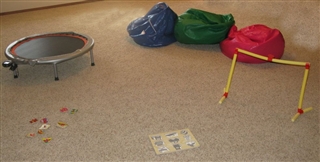
Adult: For this obstacle course, you are going to crawl on your belly under the "Trick-a-ma-stick." Be very careful that you don't hit the top or sides. Then you will crawl over the beanbags. Work hard not to fall down and do not dive into them. Then jump on the mini trampoline five times. How many times? (Five) Here are the puzzle pieces that you will need to bring back to the start. You will need to remember which one to bring back. I will not help you, so really pay attention! Then you can place the puzzle piece in the puzzle and sit criss-cross applesauce until I give you the next item. Do you have any questions?
Adult: I want you to bring back a circle puzzle piece. What are you going to bring back?
Child: Circle.
Adult: (After the child performs the course correctly and picks up an object) What shape did you pick up?
Child: Circle.
Adult: Great memory. Good job.dfsgagasdf
Child: (Finished the obstacle course and put the circle puzzle piece in the puzzle.)
Adult: Great job. Okay, this time, I want you to pick up the triangle puzzle piece....
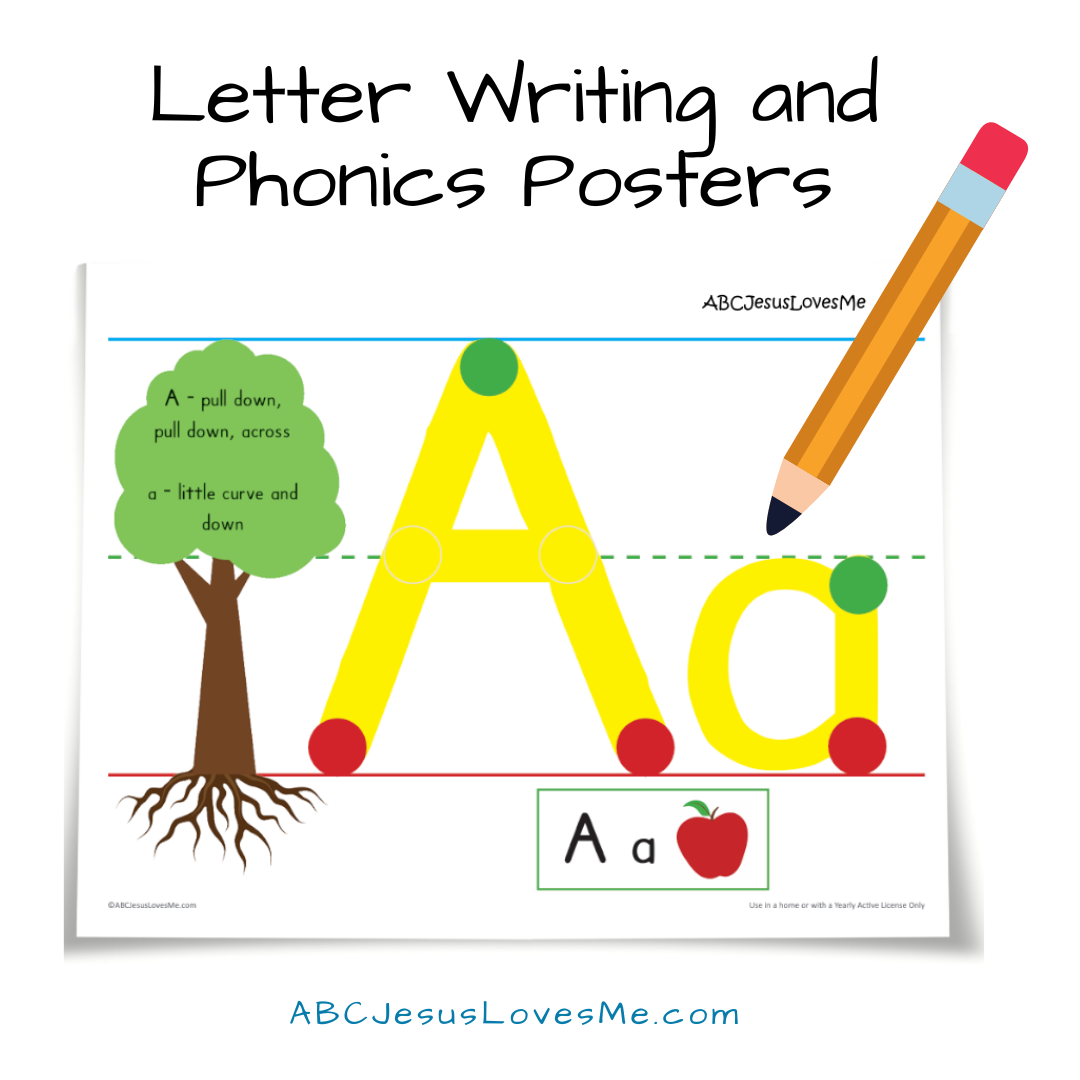
Introduce the alphabet in an simple way with our Letter Posters featuring each letter with fun formation poems and recognizable phonic images. Perfect for classrooms or home, these posters make learning letters interactive and fun!
When choosing activities for the obstacle course, gradually introduce more complex movements. Include a mix of easier tasks to build confidence and more challenging ones to support growth and increase intensity.