Social-emotional development is an important part of helping a child build relationships, understand feelings, and develop a positive sense of self. Three-year-olds are becoming more comfortable interacting with familiar adults and peers while learning to communicate their needs, recognize emotions, and participate in group experiences.
This is a season of growing friendships, developing emotional awareness, and discovering personal interests and abilities. Children are beginning to participate in cooperative play, use words to express their feelings, and take pride in completing familiar activities.
Although children are becoming more confident and independent, they still need adult guidance, reminders, and encouragement as they learn to interact with others and manage their emotions.
Three-year-olds are developing stronger relationships with familiar adults and beginning to interact more with other children. They are moving from primarily playing alongside others to participating in simple cooperative play. They are also learning to take turns, share materials, and communicate with peers. Familiar group activities provide opportunities to practice these developing social skills.
Ways to Encourage Relationship Development
- Build Relationships: Spend time talking and playing with children. Engage in short conversations and familiar activities to strengthen relationships with trusted adults.
- Encourage Peer Interaction: Provide opportunities for children to play alongside and with classmates. Offer activities that encourage children to work or play together.
- Practice Taking Turns: Use simple games and activities to practice taking turns. Give reminders and encouragement as children learn to wait and allow others to participate.
- Encourage Cooperative Play: Provide opportunities for children to build, create, and play together. Encourage them to communicate and participate in a shared activity.
- Practice Group Activities: Include familiar group activities in the daily routine. Encourage children to participate with adult support.
- Talk About Others: Help children notice the preferences and feelings of familiar adults. Talk about how others may like or feel differently about something.
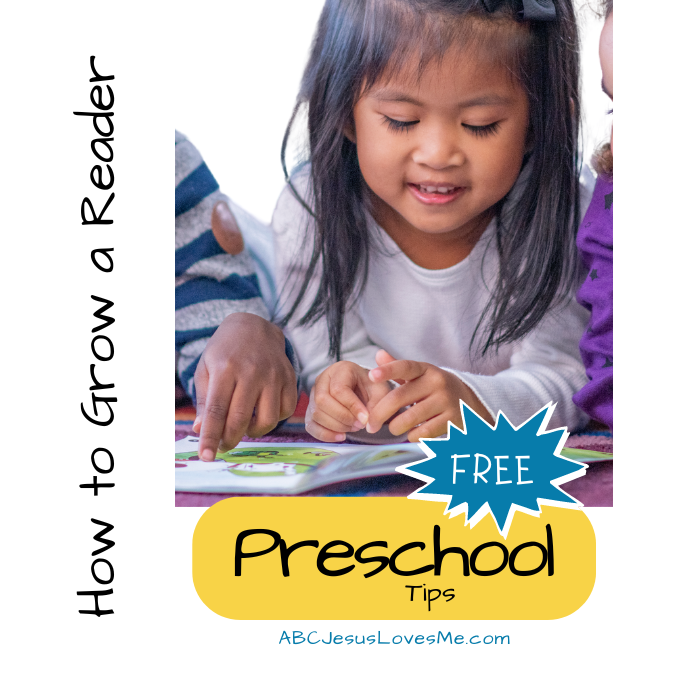
Help your preschooler discover the joy of books with a carefully chosen list of the best books and simple tips to make storytime fun and full of learning. This free packet provides easy ideas to keep your child engaged, grow their love of reading, and build important pre-reading skills—making reading together one of the best gifts you can give!
Three-year-olds are developing a greater understanding of emotions in themselves and others. They are beginning to identify familiar feelings, use words to communicate their needs, and recognize that other people may feel differently than they do. Children are also beginning to notice how the voice changes with different emotions. Although they are developing ways to express their feelings and manage frustration, adult support and guidance remain important.
Ways to Encourage Emotional Development
- Name Feelings: Talk about emotions throughout the day. Help children identify familiar feelings in themselves and others.
- Encourage Emotional Language: Model using words to communicate feelings and needs. When a child becomes upset, help them put their feelings into words.
- Recognize Feelings in Others: Read books, look at pictures, and talk about how different people or characters may feel. Encourage children to recognize that others may have different feelings.
- Explore Emotions Through Voices: Use your voice to demonstrate how the same words can sound different when expressing different emotions. Encourage children to listen and notice the changes in your voice.
- Practice Managing Frustration: When children become frustrated, offer adult support and guidance. Encourage them to use words or familiar strategies to communicate their needs.
- Respond to Feelings: Acknowledge children's emotions and provide reassurance and guidance as they learn appropriate ways to express themselves.
Three-year-olds are developing a stronger understanding of who they are, including their personal characteristics, interests, and abilities. They are becoming more able to describe themselves, identify familiar body parts and features, and communicate their preferences. As children experience success with familiar activities, they begin showing pride in what they can accomplish and growing confidence in their abilities.
Ways to Encourage Self-Awareness and Self-Concept
- Talk About Personal Characteristics: Encourage children to describe themselves. Talk about familiar physical characteristics and features.
- Identify Body Parts and Features: Use songs, books, mirrors, and play to help children identify and describe familiar body parts and physical features.
- Discover Interests: Provide opportunities for children to explore different toys, materials, and activities. Talk about the things they enjoy.
- Recognize Abilities: Give children opportunities to attempt familiar activities. Encourage them to talk about what they can do and what they are learning.
- Offer Choices: Provide simple choices throughout the day. Encourage children to communicate their preferences and make decisions.
- Celebrate Accomplishments: Recognize children's efforts when they complete familiar tasks. Give specific encouragement and allow them to take pride in what they have accomplished.

Ideal for home or preschool use, the ABCJesusLovesMe 3 Year Curriculum is designed to build a strong foundation for a child’s learning. With engaging, hands-on activities, this Curriculum focuses on objectives like pre-reading, math, Bible stories, and social-emotional development, ensuring children are confident and eager to learn.
Social-emotional development happens throughout the day, not just during planned activities. Playtime, group activities, conversations, transitions, and everyday interactions all provide opportunities to help children grow.
The goal is not to add another lesson to an already busy day. It is to recognize the teachable moments already present and use them intentionally.
Remember: You are doing more than teaching children academics. You are helping three-year-olds build relationships, understand and communicate emotions, discover their interests and abilities, and develop confidence in who God created them to be.